


March 9, 2026
AI is rapidly reshaping disaster response by providing predictive insights, real-time situational awareness, efficient logistics, and medical support. These technologies increase the speed and accuracy of relief efforts, ultimately saving lives while enhancing the resilience of communities facing natural and human-made crises.
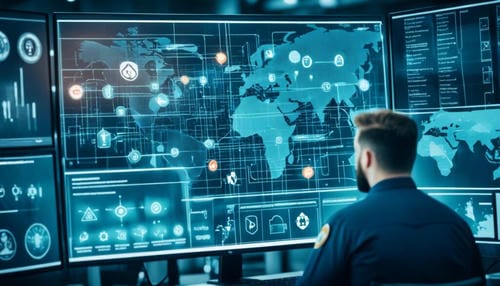
Estimated Reading Time: 11–13 minutes┃Post by John Patel
In the wake of natural disasters, human lives are at risk, and swift action is needed. As climate change contributes to an increase in extreme weather events, disaster response has become a critical concern for governments, aid organizations, and local communities. Traditional response systems, while essential, often fall short in the face of large-scale crises. However, in recent years, a new force has emerged to enhance the efficiency and effectiveness of disaster relief efforts: Artificial Intelligence (AI).
AI is transforming the way responders identify, assess, and address crisis situations. By utilizing smart systems and advanced machine learning algorithms, AI is enabling organizations to make quicker decisions, optimize resource allocation, and ultimately save lives.
1. The Role of AI in Disaster Response
Disasters, whether they are earthquakes, floods, wildfires, or hurricanes, create complex and rapidly evolving situations that are difficult to manage. AI, however, can assist in various stages of disaster management: from preparation and prediction to response and recovery.
1.1 Predictive Analytics and Early Warning Systems
One of the primary applications of AI in disaster response is predictive analytics. AI-powered systems can analyze vast amounts of historical and real-time data to identify patterns and predict potential disasters. For example, AI can process weather patterns, seismic activity, and environmental data to provide early warnings for hurricanes, floods, or wildfires.
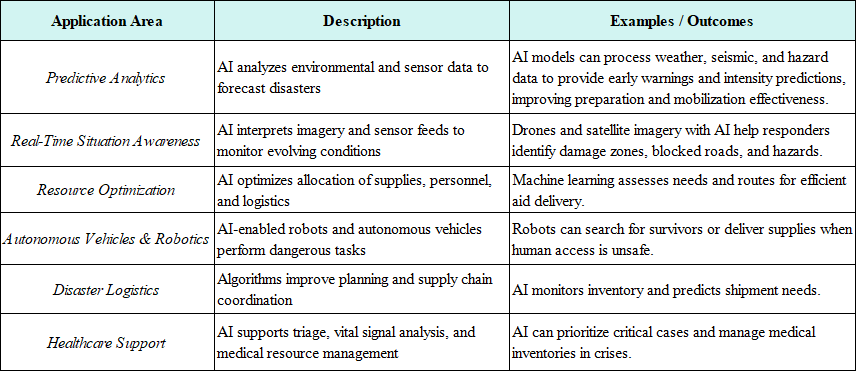
(Table 1 — Applications of AI Across Disaster Response Phases)
Early warning systems are essential for mitigating disaster impact. By providing timely alerts, AI can give people and organizations the critical time needed to evacuate, prepare resources, or mobilize emergency services. In some cases, AI-powered systems can predict the intensity and trajectory of an event, allowing responders to target their efforts more effectively.
1.2 Real-Time Situation Awareness
Once a disaster strikes, responders need real-time information to make informed decisions. AI-based systems like drones, satellite imagery, and IoT sensors provide valuable situational awareness by delivering up-to-date images and data from affected areas.
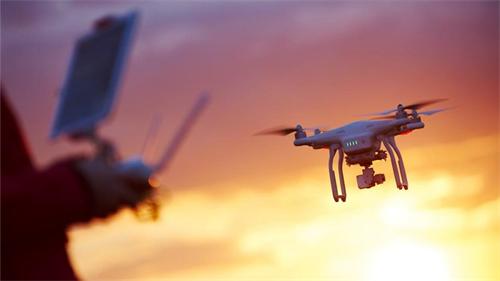
Drones equipped with AI-powered cameras can map disaster zones in real-time, helping first responders identify the most affected areas and prioritize their actions. These drones can also assess infrastructure damage, search for survivors, and monitor hazardous conditions, such as toxic gas leaks or fires.
AI can also analyze satellite imagery to detect changes in terrain or water levels, providing insights into flood risks or potential landslides. This information is crucial for coordinating search-and-rescue operations and managing the movement of evacuees.
1.3 Resource Optimization
AI is also improving resource management during disaster response. By analyzing real-time data, AI systems can optimize the allocation of resources such as food, water, medical supplies, and personnel. In the aftermath of a disaster, resources are often scarce, and efficient distribution is critical to saving lives.
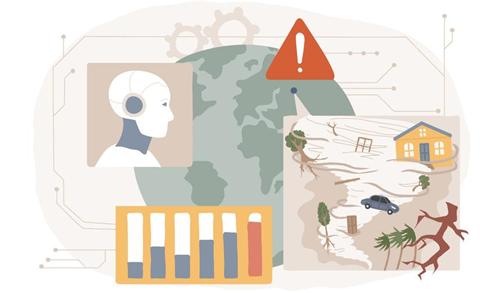
Machine learning algorithms can assess the most urgent needs in specific regions, determine the most efficient routes for delivering supplies, and predict future demands. AI can also help identify the best locations for setting up temporary shelters, hospitals, and distribution centers, ensuring that aid reaches the right people at the right time.
1.4 Autonomous Vehicles and Robotics
Another revolutionary application of AI in disaster response is the use of autonomous vehicles and robots. In hazardous environments where it is unsafe for human responders to enter, autonomous systems can take on dangerous tasks. Robots equipped with AI can search buildings for survivors, deliver medical supplies, or assess structural integrity without putting human lives at risk.
Autonomous vehicles, such as self-driving trucks, can deliver supplies to remote or inaccessible locations. In the aftermath of earthquakes or floods, when roads are damaged or blocked, these vehicles provide an essential lifeline for disaster-stricken communities.
2. AI in Disaster Relief Logistics
Disaster relief logistics involve coordinating the movement of resources and personnel in response to an emergency. AI is making this process more efficient and accurate by automating key tasks such as route planning, inventory management, and supply chain optimization. AI-powered systems can monitor the availability of supplies in real-time and predict when and where new shipments are needed.
By leveraging machine learning algorithms, AI can also assess the most optimal distribution methods, ensuring that aid reaches affected communities as quickly as possible. Additionally, AI can help coordinate the movement of emergency teams and volunteers, reducing bottlenecks and ensuring that first responders are deployed where they are most needed.
3. AI for Health and Medical Support
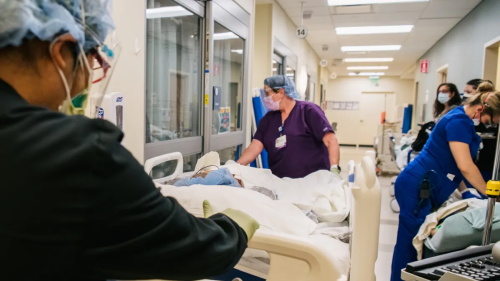
In disaster situations, medical assistance is often one of the most urgent needs. AI is playing an increasing role in healthcare during crises, from triaging patients to managing medical resources.
AI-powered systems can assess the severity of injuries by analyzing medical images or identifying patterns in vital signs. This allows healthcare workers to prioritize the most critical cases and provide faster treatment. AI can also help manage medical inventories, ensuring that hospitals and clinics are well-stocked with essential medicines, equipment, and supplies.
Additionally, AI is used to monitor the health of disaster responders themselves, tracking fatigue levels, injuries, and exposure to hazardous conditions. By analyzing biometric data, AI systems can provide insights that help organizations maintain the health and safety of their teams.
Looking ahead, the role of AI in disaster response is likely to expand and evolve. With advances in AI technology, we can expect even more sophisticated systems that can predict disasters with greater accuracy, provide more real-time insights, and optimize resource allocation in even more dynamic environments.
In the coming years, AI could also play a greater role in the recovery phase of disaster management. By analyzing post-disaster data, AI systems can help rebuild communities more efficiently, assess long-term environmental impacts, and support sustainable development efforts.
Furthermore, the integration of AI with other emerging technologies, such as 5G, blockchain, and the Internet of Things (IoT), will create even more powerful disaster response systems. These interconnected technologies will provide a more comprehensive and agile approach to managing complex crises.
AI is revolutionizing disaster response by enhancing the speed, accuracy, and efficiency of relief efforts. Through predictive analytics, real-time situation awareness, resource optimization, autonomous vehicles, and AI-driven healthcare, smart systems are saving lives and providing vital support in crisis zones. However, as with any technology, it is essential to address the challenges and ethical considerations to ensure that AI is used effectively and responsibly.
As AI continues to evolve, its role in disaster response will undoubtedly grow, providing a powerful tool for mitigating the impacts of natural disasters and ultimately saving lives.
(Predictions, models, and interpretations are the author’s personal assessments and should not be relied upon for critical decision-making.)
Updated March 24, 2026
About the Author
John Patel is a seasoned technology journalist and disaster response expert with over a decade of experience reporting on innovations in AI, data science, and crisis management. John holds a master's degree in Artificial Intelligence and has worked with several international organizations to promote the integration of smart systems in disaster management.
References
[1] Smith, J., & Nguyen, T. (2021). Drones and AI in disaster zones: How technology is changing search and rescue missions. Tech Today.
[2] Patel, R., & Sharma, A. (2022). The future of AI-powered healthcare during global crises. Medical Technology Journal, 14(6), 78-94.
[3] Rizzo, M. (2021). Smart systems: The future of disaster resilience and recovery. The Tech Innovation Journal, 3(2), 22-29.

AI & Disaster
AI is Transforming Disaster Response by Enhancing Efficiency and Saving Lives in Crisis Zones
In the wake of natural disasters, human lives are at risk, and swift action is needed.
Omnimodal Intelligence
Omnimodal Intelligence Will Redefine Machines by Enabling AI to See, Hear, Understand, and Act
Artificial intelligence has advanced rapidly over the past decade, moving from siloed capabilities toward increasingly integrated systems.
6G
6G Will Transform Connectivity, Intelligence, and Sensing Beyond Mere Speed
When most people hear “6G,” the first thought is typically faster downloads and streaming.