


March 9, 2026
Key Highlights:
● Processing data locally enables real-time decision-making, reducing latency and improving grid responsiveness and efficiency.
● Edge intelligence detects early signs of equipment failure, reducing downtime and extending the lifespan of critical infrastructure.
● Edge AI helps manage variability in solar and wind energy through real-time forecasting and dynamic energy distribution.
● Microgrids and virtual power plants rely on Edge AI for autonomous coordination, enabling resilient and flexible energy systems.
Estimated Reading Time: 10–12 minutes┃Post by Isabelle Monroe
The global energy landscape is entering a period of rapid transformation driven by the convergence of advanced digital technologies and the urgent need for more resilient, efficient, sustainable power systems. At the heart of this evolution is Edge AI — a paradigm in which artificial intelligence is executed directly on devices at or near where data is generated rather than in distant cloud servers. This shift addresses some of the most pressing challenges facing energy systems today: the need for real‑time decision‑making, reduced latency, localized control, and lower operational costs.
Real‑Time Intelligence at the Edge Transforming Energy Systems
In traditional energy infrastructures, data from sensors and IoT (Internet of Things) devices — whether on wind turbines, solar farms, battery storage systems, or smart meters — would typically be transmitted to centralized servers for processing. The round‑trip delays and bandwidth costs associated with this model limit responsiveness and scalability. Edge AI sidesteps these constraints by processing data locally, enabling instantaneous insights and actions that can have a direct impact on system stability and performance. By analyzing sensor inputs on the edge, these systems can optimize energy distribution, detect equipment anomalies, and enact corrective measures without the delays inherent in cloud communication — a critical advantage for maintaining supply continuity across highly distributed energy resources like renewables and microgrids.
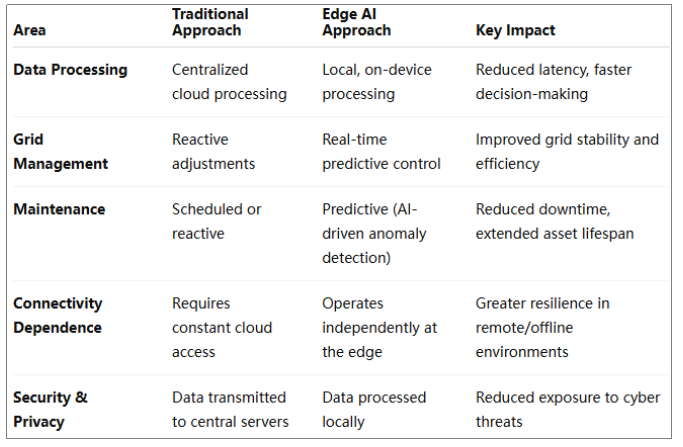
(Table 1- How Edge AI Transforms Energy Systems)
For example, in smart grids embedded with edge‑capable devices, localized machine learning models can balance load and demand patterns in real‑time across neighborhoods and industrial zones, smoothing out fluctuations in supply brought about by variable renewable generation such as solar or wind. This not only enhances reliability but also reduces waste and improves overall system efficiency.
Edge AI’s advantage goes beyond efficiency gains. Smart energy infrastructure equipped with edge intelligence can detect the earliest signs of component wear or environmental stress, triggering predictive maintenance protocols that prevent failures before they occur. In a grid context, this means transformers, substations, and distribution lines can be monitored continuously for subtle variations in voltage or temperature, enabling utilities to respond proactively instead of reacting to major outages. The net effect is improved asset longevity, reduced downtime, and lower life‑cycle maintenance costs. In addition, because edge devices operate independently of constant connectivity to the cloud, they provide resilience in remote or disconnected environments — a crucial feature for offshore wind farms, rural electrification projects, and distributed energy systems where network reliability cannot be assumed. This localized processing also enhances cybersecurity and privacy by keeping sensitive operational data on‑site, limiting exposure to network‑borne threats that might compromise centralized servers.
Edge AI as the Infrastructure Backbone for Renewable and Decentralized Energy
The promise of renewable energy — abundant and carbon‑free power from sources like wind and solar — hinges not just on generation capacity, but on intelligent integration with the grid. Unlike centralized coal or gas plants, renewables are inherently variable: output fluctuates with weather and daylight conditions. Edge AI plays a fundamental role in bridging this variability by enabling predictive forecasting and dynamic adjustment of energy flows. By processing real‐time environmental data alongside historical trends, edge systems can anticipate short‑term generation capacity, better matching supply with demand. This allows utilities to moderate the commissioning of storage resources, redirect power to areas of need, and preempt grid congestion or underutilization.
Beyond forecasting, edge AI enhances demand response capabilities. With edge algorithms embedded in smart meters and household controllers, energy usage patterns can be analyzed locally to adjust consumption during peak periods. Instead of relying solely on human intervention or simple price signals, AI models can autonomously reduce non‑essential loads, reallocate generation, or initiate battery discharge when required. This not only stabilizes the grid but also creates a more flexible, consumer‑centric energy ecosystem that rewards efficiency and minimizes waste.
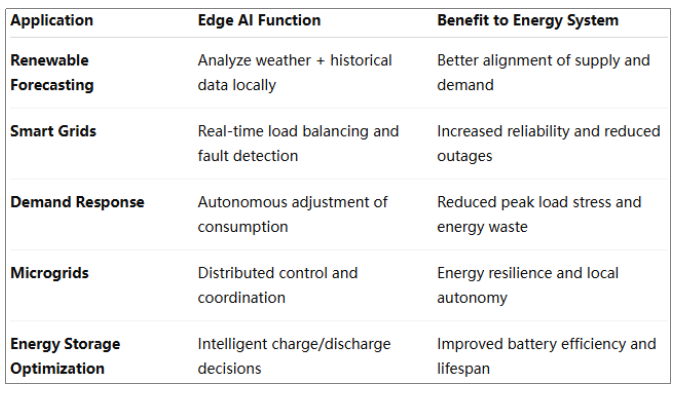
(Table 2- Edge AI Applications in Renewable & Decentralized Energy)
Decentralized energy systems — microgrids and virtual power plants — are increasingly viewed as critical infrastructures for energy security and resilience, especially in the face of climate‑related disruptions. Edge AI is the linchpin that makes such decentralized architectures viable at scale. By enabling autonomous control and collaboration among disparate energy assets, edge systems facilitate coordinated energy sharing, mutual support among localized grids, and peer‑to‑peer energy trading without central coordination. Federated learning and distributed control strategies empower these networks to continuously improve their performance while respecting user privacy and operational autonomy.
The economic implications of widespread edge AI deployment are equally transformative. By reducing data transmission costs, minimizing dependence on centralized analytics, and increasing the operational lifespan of energy assets through predictive maintenance, companies can realize substantial savings. These reductions in cost and complexity lower barriers to entry for smaller utilities and community energy projects, enabling broader participation in the energy transition and accelerating the deployment of sustainable technologies.
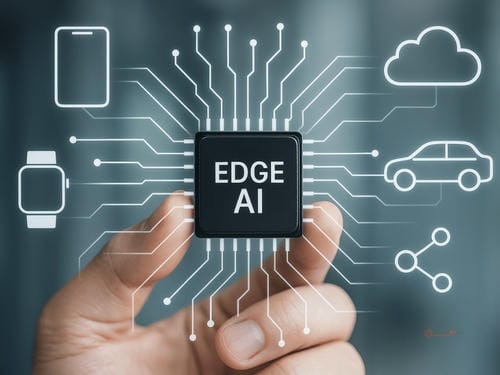
At the intersection of edge computing hardware innovation and energy systems architecture lies the future of intelligent grids. Specialized processors — such as neural processing units and low‑power AI accelerators — make it feasible to execute complex models on sensors and controllers with minimal energy overhead. Coupled with next‑generation connectivity like 5G, these edge devices can deliver robust, low‑latency performance even in dynamic network conditions. This hardware‑software synergy lays the foundation for smart grids that are not just reactive, but proactive — anticipating shifts in demand, mitigating risks, and optimizing performance seamlessly.
From utility companies modernizing their grids to industrial and commercial facilities optimizing onsite generation and consumption — the edge AI revolution is reshaping how energy is produced, distributed, and consumed. As the global energy mix tilts ever more toward decentralization and renewables, edge AI will continue to be a cornerstone of innovation, empowering grids with adaptability and intelligence that drive both economic and environmental benefits.
(While every effort has been made to ensure accuracy, technology evolves rapidly, and errors may exist. The author and blog disclaim any liability arising from reliance on this content.)
Updated April 3, 2026
About the Author
Isabelle Monroe is a technology writer and strategist focused on the intersection of artificial intelligence, edge computing, and energy infrastructure. With more than a decade of experience in energy systems and digital transformation, Alex has collaborated with leading utilities, renewable energy firms, and tech innovators to analyze how emerging technologies reshape power generation and distribution. Her work has been featured in industry outlets and conferences where she breaks down complex topics like real-time AI at the edge, grid decentralization, and predictive energy analytics for broad audiences.
References
[1] LoT For All. (2025). AI at the edge: Agriculture, mining, and energy. Iotforall.
[2] Edge AI Hub. (2025). Edge AI use cases: Practical applications and real‑world implementation guide. Edgeaihub.
[3] STMicroelectronics. (2025). How Edge AI supports renewable energy. ST.
[4] FarHorizons. (2025). Edge AI use cases: Practical applications and real‑world implementation guide. Farhorizons.

Edge Computing
Real-Time Worlds Powered by Edge Computing Transform the Metaverse Beyond VR
The “metaverse” is often discussed in terms of virtual reality (VR) headsets and immersive graphics, but at its core, this next-generation digital realm is a massive distributed computing challenge that extends far beyond display hardware.
Drones and Satellites
How Drones and Satellites Will Power the Next Internet?
As digital demand intensifies—with billions of connected devices, autonomous systems, and real-time AI workloads—the structural limits of ground-based networks are becoming clear.
Neural Networks
Neural Networks Are Revolutionizing the Creation of Art and Music
Artificial intelligence (AI) is often seen as a tool for streamlining tasks, automating processes, and enhancing human capabilities.