


March 16, 2026
Key Highlights:
● Edge AI processes data close to where it is created so decisions happen faster.
● It helps energy systems work efficiently and reduces waste.
● Smart grids use Edge AI to balance electricity supply and demand.
● Renewable energy like solar and wind is managed better with real-time adjustments.
● Large amounts of data and different devices make adoption challenging.
● Edge AI can make energy systems smarter, greener, and more reliable.

Estimated Reading Time: 10–12 minutes┃Post by Jordan Avery
The energy sector has been undergoing a significant transformation in recent years. From the rise of renewable sources like solar and wind to the expansion of electric vehicles, the industry is embracing new technologies to reduce reliance on fossil fuels and promote sustainability. One of the most promising technological innovations on the horizon is Edge AI, a powerful tool that will play a crucial role in the next phase of the energy revolution. Edge AI refers to the deployment of artificial intelligence (AI) algorithms and processing power directly at the "edge" of a network, meaning that data is processed closer to where it is generated, rather than relying on centralized data centers.
The Rise of Edge AI in Energy Systems
In energy systems, this shift to Edge AI presents numerous benefits. Traditional energy grids are often large, centralized systems that rely on a constant flow of data to monitor and manage the grid’s performance. By processing data at the edge, near the energy generation or consumption points, Edge AI can enhance the efficiency, responsiveness, and intelligence of the entire system.
One of the main advantages of Edge AI is its ability to process vast amounts of data in real-time, without needing to send it back to a centralized server for analysis. This capability is especially useful for managing decentralized energy sources, such as solar panels or wind turbines, which produce fluctuating energy outputs.
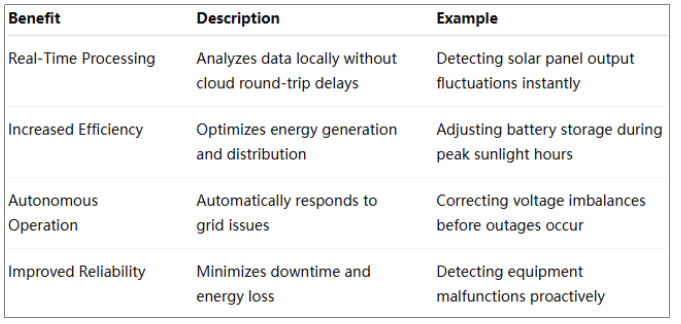
(Table 1 — Benefits of Edge AI in Energy Systems)
By using Edge AI to analyze data locally, energy systems can optimize power generation and storage in response to changing environmental conditions. For example, during periods of high sunlight, Edge AI could automatically adjust the output of solar panels to maximize energy production, while also managing storage systems to store excess energy for later use.
Furthermore, the ability to analyze data at the edge allows for more rapid responses to changes in the grid. In a traditional setup, energy providers may have to wait for data to be processed and transmitted over long distances before taking action. Edge AI, however, can detect issues, such as power outages, grid imbalances, or equipment malfunctions, and automatically take corrective action before these problems escalate. This speed and autonomy significantly reduce downtime, prevent energy loss, and improve overall system reliability.

Leveraging Edge AI for Smart Grids and Energy Efficiency
A key area where Edge AI is expected to make a significant impact is in the development of smart grids. A smart grid is an advanced power network that uses digital communication technology to monitor and manage the flow of electricity from generation sources to consumers. This type of grid relies on constant, real-time data from sensors, smart meters, and other devices to make decisions about how electricity is distributed across the network.
Edge AI integrates seamlessly with smart grids by enabling real-time analysis and decision-making at the edge of the network. In the case of energy distribution, Edge AI can optimize the allocation of electricity by assessing the demand in various locations and adjusting supply accordingly.
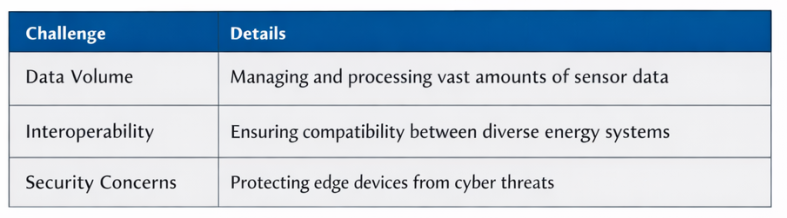
(Table 2- Edge AI Use Cases in Smart Grids)
For example, if a certain region experiences a sudden surge in energy demand—such as during a heatwave when air conditioners are running full blast—Edge AI can detect this spike and redistribute power from less-demanding areas to prevent blackouts or brownouts.
Moreover, the use of Edge AI in smart grids improves the system’s energy efficiency. By analyzing data from smart meters and sensors in real time, the AI can identify patterns in energy consumption, detect inefficiencies, and recommend strategies for improving energy usage. This could include automatically adjusting the operation of household appliances or industrial equipment to optimize energy consumption. In this way, Edge AI helps consumers and businesses lower their energy bills while also contributing to broader sustainability goals by reducing overall energy waste.
Additionally, Edge AI can facilitate the integration of renewable energy sources into the grid. As renewable energy production fluctuates due to changes in weather or time of day, it can be difficult to balance supply with demand. Edge AI can provide real-time forecasting and optimization, enabling better integration of solar, wind, and other renewable sources into the grid. This helps maintain stability while increasing the proportion of clean energy being used.
Overcoming Challenges and Expanding Edge AI Adoption
While the potential benefits of Edge AI in energy systems are vast, there are also several challenges that need to be addressed in order for the technology to reach its full potential. One of the main obstacles is the sheer volume of data that needs to be processed.
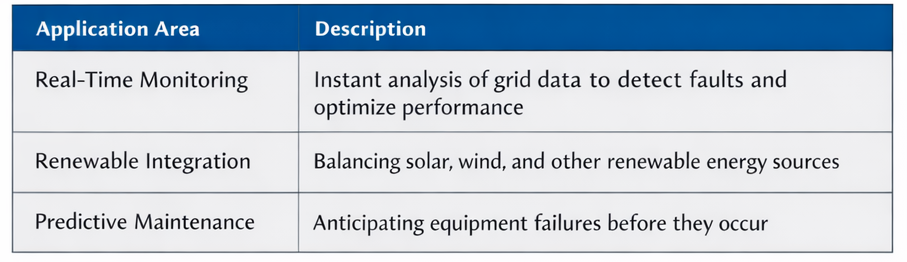
(Table 3 — Challenges and Solutions for Edge AI Adoption)
Energy systems generate massive amounts of data from sensors, meters, and devices spread across vast geographical areas. Processing all of this data in real-time at the edge requires robust computational power and high-speed communication infrastructure. Ensuring that this infrastructure is reliable and secure is paramount to the success of Edge AI in energy applications.
Another challenge is the need for interoperability between different devices, platforms, and systems. Energy grids consist of many diverse components, and ensuring that Edge AI can effectively communicate with all of these components is a complex task. Standardization and the development of compatible technologies will be crucial for the widespread adoption of Edge AI in the energy sector.

Despite these challenges, several energy companies and tech startups are already experimenting with Edge AI solutions to improve their operations. From enhancing grid management to optimizing energy consumption in buildings and factories, Edge AI is becoming an essential tool in the transformation of the energy industry. As the technology continues to mature and more pilot projects are launched, the widespread adoption of Edge AI is expected to bring about profound changes in how energy is generated, distributed, and consumed.
FAQs:
1. How does Edge AI enhance the efficiency of smart grids?
Edge AI analyzes consumption patterns, detects inefficiencies, and dynamically reallocates power based on local demand. This minimizes waste, reduces operational costs, and improves overall grid stability during peak or unexpected demand spikes.
2. How does Edge AI impact energy consumers directly?
Edge AI can automate adjustments to appliances, industrial machinery, and storage systems, helping users lower energy bills and optimize usage. It also supports personalized energy recommendations based on real-time data patterns.
3. Can Edge AI help reduce carbon emissions?
Indirectly, yes. By optimizing energy generation and consumption and maximizing renewable integration, Edge AI contributes to a more sustainable, lower-carbon energy footprint for both utilities and consumers.
(While every effort has been made to ensure accuracy, technology evolves rapidly, and errors may exist. The author and blog disclaim any liability arising from reliance on this content.)
Updated March 26, 2026
About the Author
Jordan Avery is a seasoned energy technology journalist and AI enthusiast, with over a decade of experience covering the intersection of artificial intelligence, sustainability, and smart grids. Having worked as a lead analyst for several major energy firms, Jordan brings an in-depth understanding of how cutting-edge technologies are transforming global energy systems.
References
[1] Zhang, Z., & Wang, L. (2020). Leveraging edge AI for smart grid optimization: A new frontier in energy systems. Journal of Energy Technologies, 15(3), 22-38.
[2] Patel, R., & Gupta, V. (2021). Edge computing in renewable energy systems: A promising integration. Renewable Energy Review, 37(5), 789-805.
[3] Green, M., & Foster, A. (2020). The future of energy: Integrating renewable sources with edge AI technology. Energy Journal, 62(7), 49-58.

Open Source
Is Open Source Still the Future of Software?
In the span of just a few decades, open-source software (OSS) has moved from niche curiosity to foundational pillar of the software industry.
Digital Distractions
Calm Technology Redefines How We Engage with Digital Distractions
The major platforms and ecosystems of modern tech—from social media feeds to messaging apps—are built to capture and hold your focus as long as possible.
Cloud Computing
Cloud Computing Transforms Climate Modeling and Environmental Prediction
Climate scientists are facing a profound shift in how they approach environmental prediction.