


March 25, 2026
Key Takeaways:
● Living batteries use fungi, bacteria, or other biological materials to generate and store electricity sustainably.
● Mycelium-based batteries are biodegradable, regenerative, and offer longer lifecycles than conventional batteries.
● Microbial fuel cells can convert organic waste into usable energy, supporting off-grid and decentralized power solutions.
● Organic power sources, including bioelectricity and organic solar cells, provide renewable, flexible, and biodegradable energy options.
● These technologies have the potential to reduce reliance on metals, lower e-waste, and advance a circular, sustainable energy economy.
Estimated Reading Time: 12–14 minutes┃Post by Maria Harris
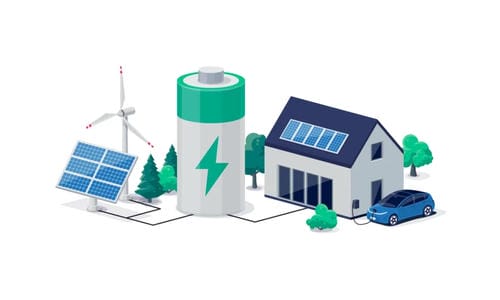
The search for sustainable, eco-friendly energy solutions has led researchers to consider some unconventional sources of power—biological systems. Living batteries, which integrate biological components like fungi, bacteria, and organic materials, are now being explored as potential replacements for traditional battery technologies. These innovations provide a fresh approach to energy storage, and unlike conventional batteries made of metals like lithium or cobalt, they harness the natural processes of living organisms to generate, store, and even transmit electricity.
Living Batteries: A New Frontier in Energy Storage
At the forefront of this movement are fungi-based living batteries, which are built using mycelium—the root structure of mushrooms and other fungi. Mycelium has been found to have an ability to conduct electricity, making it a viable material for energy storage.
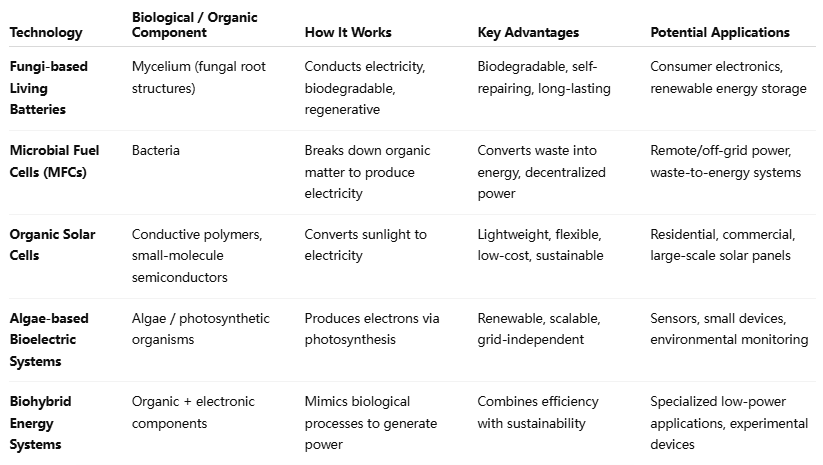
(Table 1- Overview of Living and Organic Energy Technologies)
Scientists are increasingly interested in using mycelium as a bioelectronic material due to its capacity to both conduct and decompose organic matter, providing a more sustainable energy solution. By using mycelium in battery designs, researchers hope to create a biodegradable, eco-friendly energy storage system that performs similarly to conventional batteries but without the environmental toll.
Fungal batteries are unique not only for their biodegradability but also for their regenerative abilities. Traditional batteries, such as lithium-ion, lose their capacity over time and often require recycling or disposal in landfills. However, living batteries powered by mycelium can self-repair and regenerate, extending their life cycle and minimizing waste. The regenerative capacity of these biological systems represents a leap forward in battery technology, as they could potentially offer longer-lasting, low-maintenance solutions for everything from consumer electronics to large-scale renewable energy storage.
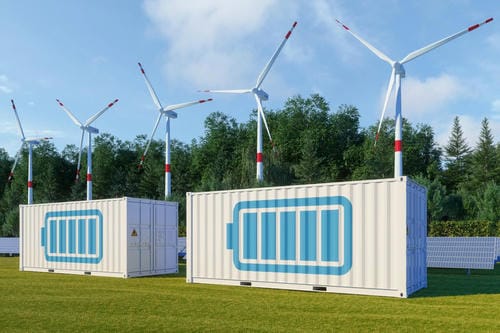
The development of microbial fuel cells (MFCs), another type of living battery, is another area of promising research. MFCs use bacteria to break down organic matter, producing electricity as a byproduct. This form of bioelectricity could help address two global challenges at once: the need for clean, renewable energy and the management of organic waste. MFCs are particularly effective when fed with waste from agricultural or industrial processes, turning otherwise harmful waste materials into useful energy. This could lead to more localized energy solutions that harness waste streams—such as sewage, food waste, or agricultural runoff—to power small-scale applications or even feed into larger power grids.
Microbial systems in living batteries are also gaining attention due to their potential to provide off-the-grid, decentralized energy solutions. They can be used in remote or resource-limited areas where traditional energy infrastructure is absent or unreliable. This is particularly true for areas where organic waste is abundant and can be converted into bioenergy through microbial processes. Researchers are working to optimize these systems, improving the efficiency of bacteria in breaking down organic material and enhancing the overall energy output from these microbial fuel cells. As MFC technology advances, it could become a transformative solution for off-grid living, disaster-stricken areas, and rural communities that currently lack access to stable power sources.
Organic Power Sources: A Step Toward Biodegradable Energy
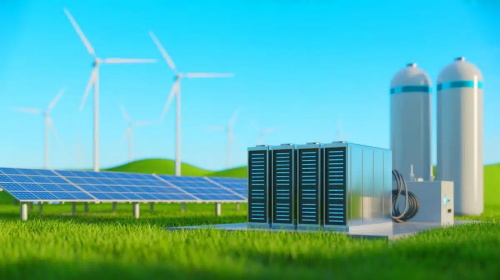
In parallel with the development of living batteries, researchers are also exploring organic power sources that could replace traditional energy storage systems. Organic electronics, which use carbon-based materials instead of silicon, offer a more sustainable approach to energy production and storage. Organic materials are biodegradable, renewable, and can be sourced from abundant, natural resources, making them an attractive alternative to the rare minerals and metals often used in modern technology.
One of the most promising applications of organic materials is in the field of solar energy. Organic solar cells, which use conductive organic polymers to capture sunlight and convert it into electricity, are much lighter, more flexible, and less expensive to produce than traditional silicon-based solar panels. While still in development, organic solar cells have the potential to significantly reduce the cost of solar power generation, making renewable energy more accessible and widespread. Additionally, they could be produced using low-cost, sustainable materials, further decreasing the environmental impact of energy production.
While the efficiency of organic solar cells currently lags behind that of traditional silicon panels, significant advancements are being made to improve their performance. Researchers are experimenting with different organic materials, such as small-molecule organic semiconductors and conjugated polymers, to increase their ability to absorb sunlight and generate electricity. With continued improvements in efficiency, organic solar cells could soon become a mainstream solution for residential, commercial, and even large-scale solar energy projects.
Another area of interest in organic power generation is bioelectricity, which refers to the electricity produced by living organisms through natural biological processes. Bioelectricity has the potential to generate clean, renewable energy by harnessing the energy produced by photosynthetic organisms like algae and plants. For example, algae-based bioelectric systems use the photosynthesis process to produce electrons, which can then be captured and used to generate power. This form of energy could be particularly useful for low-power applications, such as powering sensors, small devices, or remote environmental monitoring stations.
Algae-based bioelectric systems have several advantages. They are lightweight, renewable, and do not require traditional infrastructure, such as power lines or grids, to deliver energy. Additionally, they can be scaled down to fit various needs, ranging from small consumer devices to larger energy generation systems. One exciting development is the use of biohybrid systems, where organic materials like algae are combined with electronic components to create energy-producing devices that function in a way that mimics natural biological processes.
The integration of biodegradable and organic energy sources into our energy systems could have far-reaching environmental benefits. By reducing reliance on fossil fuels and rare minerals, organic power sources can help mitigate the negative impact of resource extraction and pollution. Additionally, because organic materials are renewable and biodegradable, they contribute to a circular economy in which materials are reused or regenerated, rather than discarded after a single use.
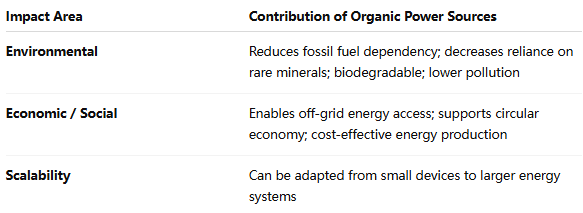
(Table 2- Environmental and Societal Impacts)
Biodegradable electronics and energy storage systems are particularly attractive in light of the growing problem of electronic waste (e-waste). Each year, millions of tons of e-waste are generated worldwide, much of it composed of harmful substances like lead, mercury, and cadmium. Organic power sources, which can be decomposed naturally, could help reduce the environmental toll of e-waste while providing a more sustainable energy future.
As the world continues to seek alternatives to traditional, resource-intensive energy solutions, organic and living power sources offer a promising path forward. By leveraging the natural processes of living organisms and organic materials, researchers are developing new ways to store, generate, and use energy that are not only more sustainable but also potentially more efficient and cost-effective than conventional technologies. While challenges remain in terms of improving the efficiency and scalability of these technologies, the potential of living batteries and organic power sources to shape a greener, more sustainable future is undeniable.
(This article is for informational purposes only and does not constitute professional energy or engineering advice. Implementation of living batteries or organic power systems should be conducted by qualified researchers, and performance may vary depending on design, environment, and materials used.)
Updated April 4, 2026
About the Author
Maria Harris is an environmental technology expert with over 10 years of experience in sustainable energy research. With a background in bioengineering, she has worked extensively on projects exploring the intersection of biology and technology, focusing on renewable energy solutions. Harris has contributed to numerous publications on biodegradable energy systems and is a frequent speaker at industry conferences on organic power sources and living batteries. When she's not researching, Harris enjoys hiking and experimenting with organic gardening techniques in her backyard.
References
[1] R. Jones et al. (2024). Mycelium as an Energy Source: Exploring the Potential of Fungal Batteries. Journal of Bioelectronics, 12(3), 145-157.
[2] A. Smith & J. Williams (2025). Microbial Fuel Cells and Waste-to-Energy Technology: A Sustainable Future. Environmental Energy Reviews, 18(2), 89-102.
[3] L. Lee et al. (2023). Organic Solar Cells: A Viable Alternative to Silicon Panels?. Renewable Energy Today, 45(7), 216-224.

Projects
How Hands-On Projects Unlock Mastery of Next-Gen Technology Concepts Every Enthusiast Should Try?
These projects share a common theme: they take real technologies from current research and industry and break them into manageable, engaging activities that teach principles of design, computation, electronics, and connectivity.
AR
Augmented Reality Transforms Education by Enhancing Cognitive Learning Beyond Gamification
Augmented Reality (AR) has been widely discussed in educational technology circles as a tool to inject engagement and fun into learning, often through gamification.
Edge AI
Edge AI Will Reshape How Energy Is Generated, Distributed, and Consumed
The global energy landscape is entering a period of rapid transformation driven by the convergence of advanced digital technologies and the urgent need for more resilient, efficient, sustainable power systems.