


March 1, 2026
In this Article:
● Micro sensors, or "smart dust," can monitor air quality, traffic, building integrity, and more in real time.
● They enable cities to dynamically adjust infrastructure, such as traffic lights and environmental controls, for efficiency.
● These sensors support sustainability by tracking energy, water usage, and resource consumption in buildings.
● Privacy, security, and scalability are major challenges for city-wide deployment of micro sensors.
● The future of smart cities will rely on these sensors to enhance livability, efficiency, and urban planning.
Estimated Reading Time: 11–13 minutes┃Post by Sarah J. Thompson
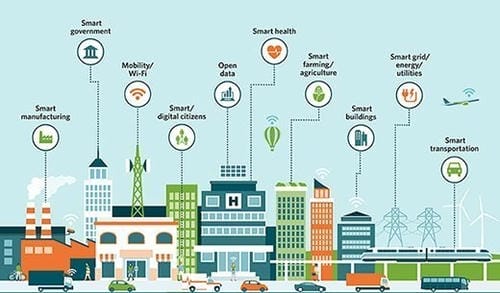
Imagine a world where every street, every building, and every corner of a city is connected, not through wires or visible technology, but through an invisible network of intelligent dust—tiny, almost imperceptible sensors that are capable of monitoring, sensing, and analyzing everything from air quality to traffic flow in real time. This is not a far-off science fiction future but a potential reality for the cities of tomorrow. Welcome to the world of micro sensors and their transformative role in smart cities.
These minuscule devices, often referred to as "smart dust," are the next frontier in urban innovation. Equipped with sensing, computing, and communication capabilities, micro sensors have the power to revolutionize the way cities are planned, managed, and experienced. As cities around the world strive to become more efficient, sustainable, and livable, micro sensors are poised to play a central role in shaping the urban landscape.
The Technology Behind Smart Dust
At their core, micro sensors are incredibly small devices that can be embedded into various surfaces and objects throughout a city. They are typically made from silicon or other advanced materials and can be as tiny as a grain of sand. Despite their small size, these sensors are capable of performing a range of tasks, such as monitoring air pollution levels, tracking vehicle and pedestrian movement, or even measuring the structural integrity of buildings.
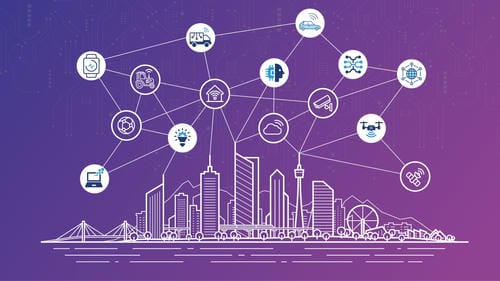
The technology behind smart dust is largely based on advances in wireless communication, energy harvesting, and miniaturization. Wireless communication allows micro sensors to transmit data back to a central system, where it can be analyzed and acted upon in real time. Energy harvesting techniques, such as solar power or vibrations, ensure that these sensors can function autonomously without the need for external batteries or power sources. Miniaturization has made it possible to shrink the size of these sensors without compromising their functionality, allowing them to be deployed in vast numbers across an entire city.
Smart dust is not just about collecting data; it’s about transforming the way we interact with our environment. Imagine walking through a park and having the air quality and temperature adjust in real time based on the sensors' readings. Or picture a city where traffic lights are dynamically adjusted to minimize congestion based on real-time data from thousands of sensors embedded in the streets and vehicles. These are just a few examples of how micro sensors can make urban living more intelligent, responsive, and efficient.
Implications for Urban Planning
The integration of micro sensors into cities opens up new possibilities for urban planning and management. With the ability to monitor every aspect of city life, from traffic flow to waste management, urban planners can gain unprecedented insights into how cities function and where improvements can be made.
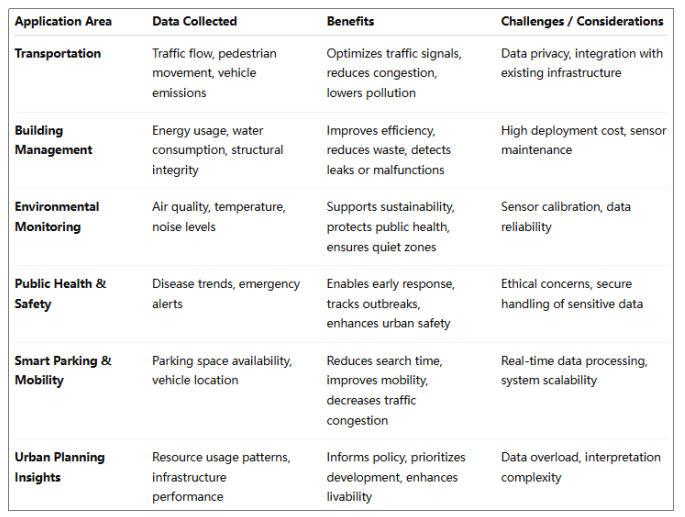
(Table 1- Practical Applications of Micro Sensors)
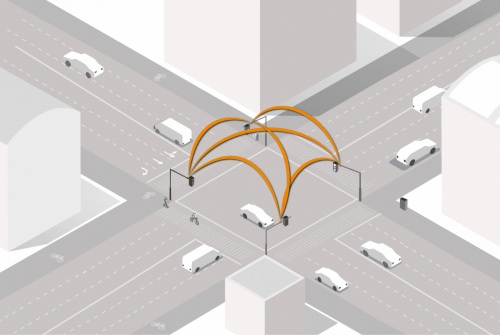
For instance, in the realm of transportation, micro sensors could be used to collect data on traffic patterns, pedestrian movement, and even vehicle emissions. This data could then be used to optimize traffic flow, reduce congestion, and lower pollution levels. Smart traffic lights could change their timing based on the number of vehicles and pedestrians in the area, while smart parking sensors could guide drivers to the nearest available spot, reducing the time spent circling for parking.
In the realm of sustainability, micro sensors could play a crucial role in monitoring environmental conditions and conserving resources. Sensors embedded in buildings could track energy usage, water consumption, and even detect leaks or malfunctions in real time. This could lead to more efficient building management and lower overall energy consumption, helping cities reduce their carbon footprint.
Beyond infrastructure, micro sensors could help improve the quality of life for city dwellers. Sensors could be used to monitor noise levels, ensuring that residential areas remain peaceful and quiet. They could also track public health trends, identifying areas where air quality is poor or where disease outbreaks are likely to occur, allowing for quicker responses and preventive measures.
The Challenges and Ethical Considerations
While the potential benefits of micro sensors in smart cities are immense, there are also challenges and ethical concerns that need to be addressed. The most obvious concern is privacy. With sensors embedded everywhere, collecting vast amounts of data about individuals’ movements, behaviors, and interactions, there is a risk that this information could be used in ways that infringe upon personal privacy.
For example, could data collected by sensors be used to track individuals without their knowledge? Could it be used to monitor people’s health or even predict their behavior? These are difficult questions that need to be carefully considered as the technology develops.
In addition to privacy concerns, there are also questions about security. As cities become more connected and reliant on smart technologies, they also become more vulnerable to cyberattacks. Hackers could potentially target the networks of micro sensors, causing disruptions to vital systems such as transportation, healthcare, or emergency services. Ensuring that these systems are secure will be a top priority as smart cities evolve.
Another challenge is the scalability of micro sensors. While it is possible to deploy sensors in a single building or neighborhood, implementing them on a city-wide scale presents logistical and financial challenges. The infrastructure required to support these sensors, including data processing centers and communication networks, would need to be robust and reliable. Additionally, the cost of manufacturing and deploying millions or even billions of sensors could be prohibitively expensive, especially for developing cities.
The Future of Smart Cities and Micro Sensors
Despite these challenges, the future of smart cities powered by micro sensors looks bright. As the technology continues to evolve, the sensors themselves will become more advanced, more affordable, and more efficient. New applications will emerge, creating even more opportunities to enhance urban life.
As cities continue to grow and become more complex, micro sensors will be essential in helping them function efficiently and sustainably. By collecting and analyzing data in real time, these sensors will allow cities to adapt to changing conditions and improve the lives of their inhabitants. From reducing traffic congestion to monitoring environmental conditions, the possibilities are endless.
In the coming years, it is likely that we will see more cities embracing the use of micro sensors to transform their urban landscapes. Whether it’s creating smarter transportation systems, improving building management, or ensuring cleaner air and water, micro sensors will be at the heart of the next generation of smart cities.
(This article is for informational purposes only and does not constitute professional advice. Implementation of micro sensor networks should follow local regulations and privacy laws, and outcomes may vary depending on city infrastructure and technology adoption.)
Updated March 17, 2026
About the Author
Sarah J. Thompson is a technology journalist with over a decade of experience covering emerging trends in urban development and smart cities. She holds a master's degree in Urban Planning from the University of California, Berkeley, and has written extensively about the intersection of technology, sustainability, and urban innovation. Sarah has contributed to leading publications such as Wired, TechCrunch, and Smart Cities Dive, where she explores the latest advancements in IoT, AI, and urban planning.
References
[1] Pau, G., & Arena, F. (2022). Smart city: The different uses of IoT sensors. Journal of Sensor and Actuator Networks.
[2] Ilyas, M., & Mahgoub, I. (2018). Smart dust: Sensor network applications, architecture, and design. CRC Press.
[3] Alvear, O., Calafate, C. T., Cano, J.-C., & Manzoni, P. (2018). Crowdsensing in smart cities: Overview, platforms, and environment sensing issues. Sensors.

Agriculture
How CRISPR and IoT Are Reshaping Agriculture for a Sustainable Tomorrow?
Agriculture stands at a technological inflection point where tools that once seemed futuristic are now tangible solutions shaping how we grow food.
Sensors
Micro Sensors Are Quietly Transforming the Way Smart Cities Sense and Respond
This is not a far-off science fiction future but a potential reality for the cities of tomorrow. Welcome to the world of micro sensors and their transformative role in smart cities.
6G
6G Will Transform Connectivity, Intelligence, and Sensing Beyond Mere Speed
When most people hear “6G,” the first thought is typically faster downloads and streaming.